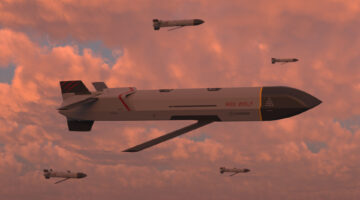
Defeating modern threats with capable, affordable munitions
L3Harris’ launched effects portfolio comes from a pedigree of proven capabilities and decades of experience.

L3Harris’ launched effects portfolio comes from a pedigree of proven capabilities and decades of experience.
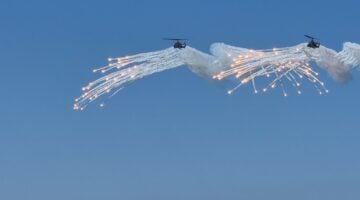
Bulgaria, The Netherlands, Sweden, Japan, Egypt, Poland, Vietnam, Portugal and Syria were first-time participants.

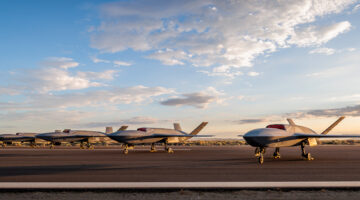
GA-ASI is serious about retaining its position as the leading provider of UAS to the United States and its allies.

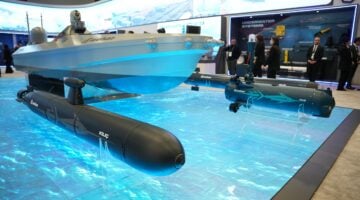
Unveiled at SAHA 2026, ASELSAN’s latest portfolio reflects a layered and integrated defense architecture, bringing together electronic warfare, counter-UAV, airborne and naval capabilities within a unified operational framework.

As global navies adapt to evolving underwater threats, ASELSAN’s integrated sonar, countermeasure, and sonobuoy solutions offer a scalable, future-ready approach.
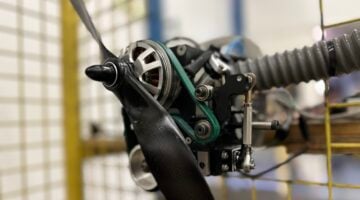
“This achievement reflects how close cooperation between innovative startups and established defense leaders can accelerate meaningful progress in the UAV domain,” CEO of Lowental Hybrid Doron Fridman told Breaking Defense.

“This revolution is reshaping the future of modern warfare,” Eric Mandel, director of the Middle East Political Information Network, told Breaking Defense.


An airborne layer pushes drone engagements farther from defended assets and changes the cost-per-kill equation.
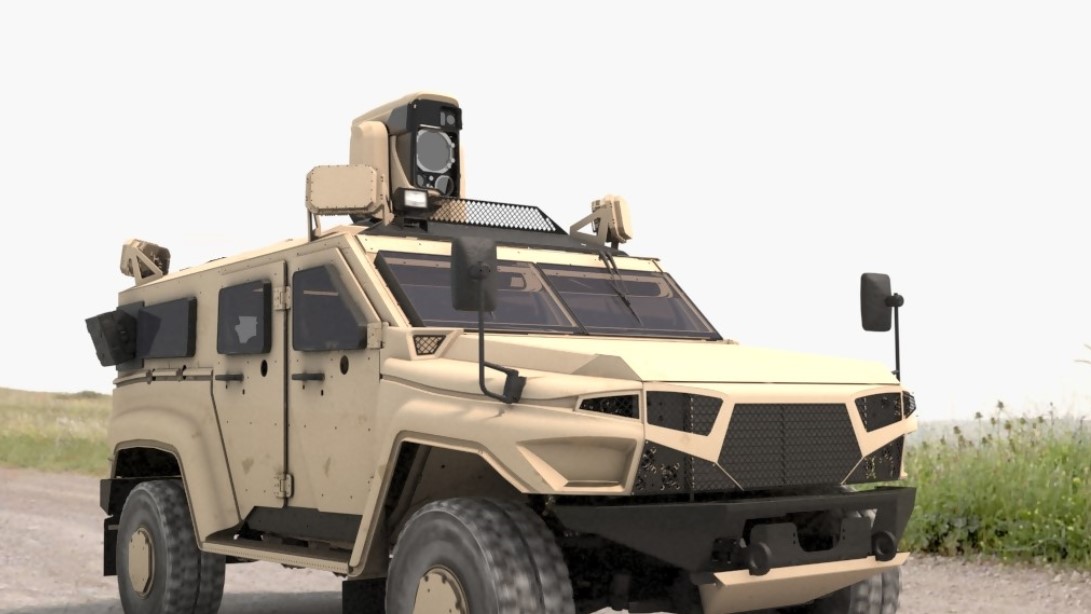
“These solutions provide maneuvering forces with robust force protection and flexibility against a wide range of airborne threats, including UAVs,” Rafael said in a statement.
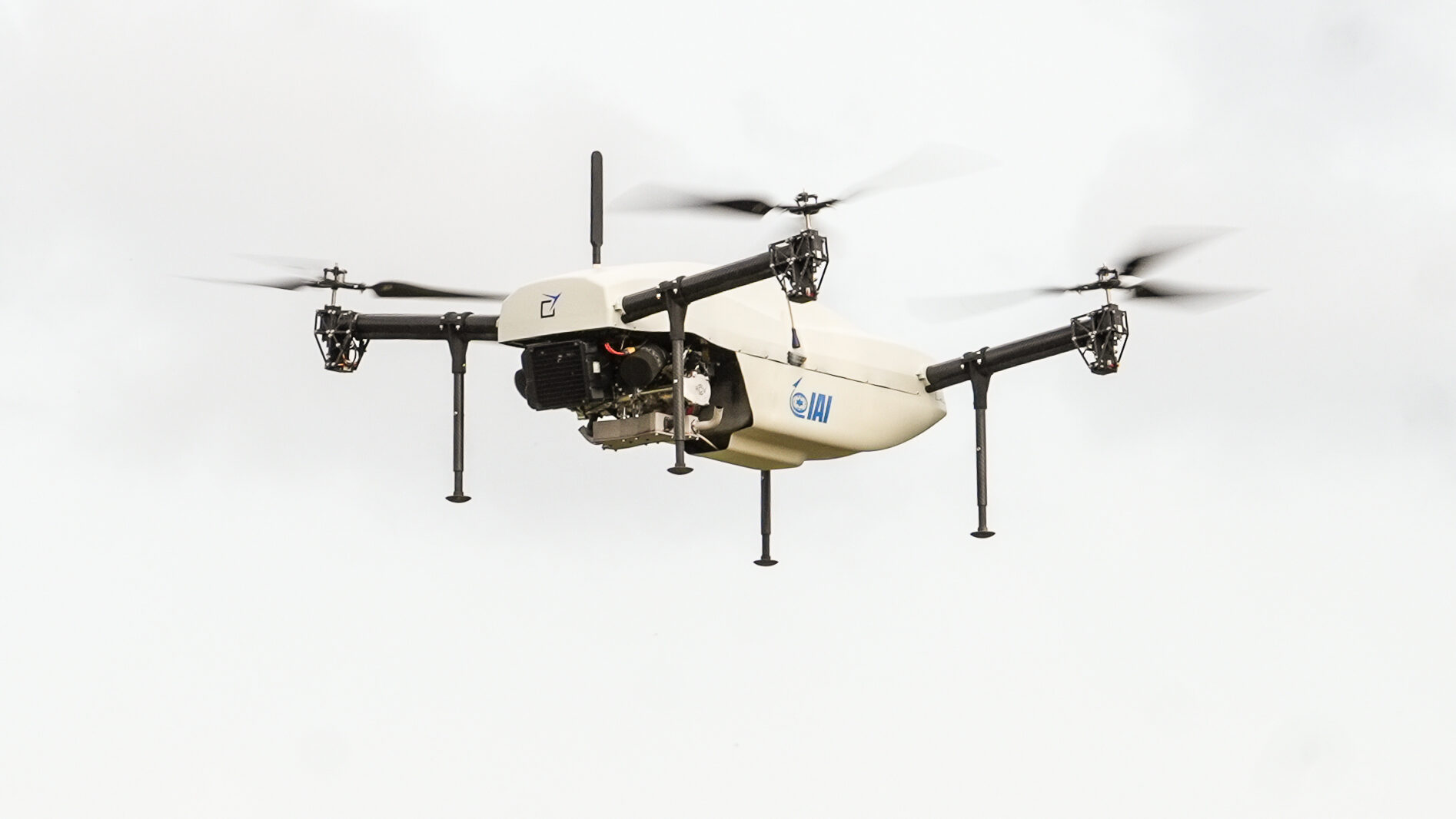
Moshe Levy, manager of the Military Aircraft Group at IAI, told Breaking Defense that to increase distance and capacity, the quadcopter design will use fuel instead of batteries.
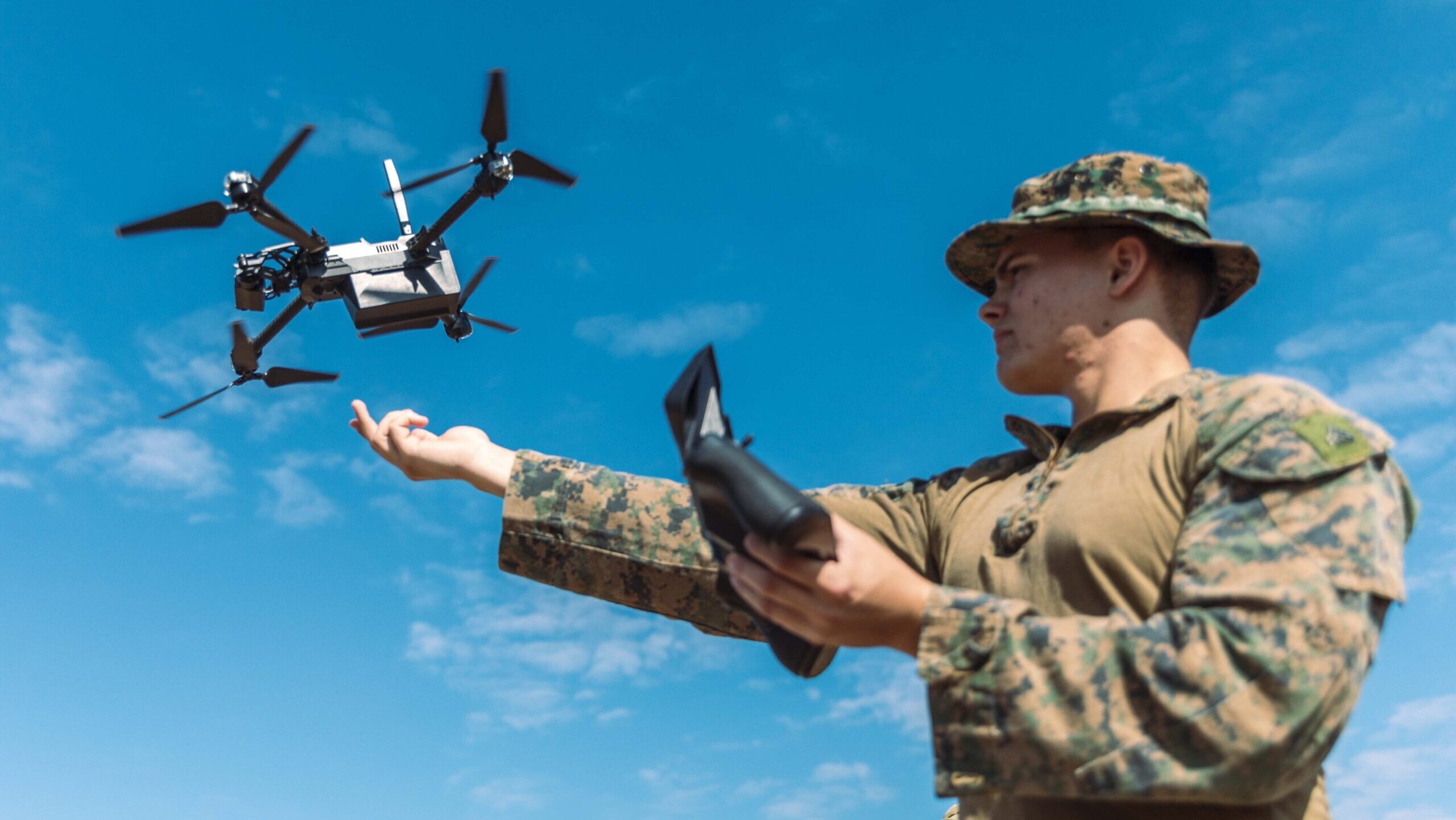
The Defense Innovation Unit will now conduct an annual competition for sUAS and quadcopters to either stay on the Blue List or be added to it, Blue UAS Project Lead Trent Emeneker told Breaking Defense.

“Some of the implications are that we now have batteries or, hopefully we'll have batteries, that are not reliant on rare earth minerals. We don't have to rely on those coming from adversarial nations such as China," Jen Sovada, president of SandboxAQ’s Global Public Sector division, told Breaking Defense.

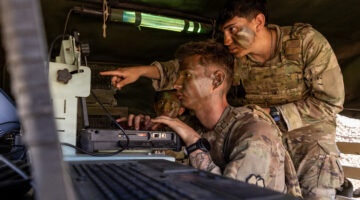
Lightning Surge exercises are turning soldier feedback on NGC2 into operational software changes in days, not years.

“Iran’s goal was to restore its credibility and inflict retribution on Israel while reducing the risk of further escalation," said Hasan Alhasan, senior fellow at the International Institute for Strategic Studies.

Last fall, both Russia and Ukraine boasted of fielding drones that tracked targets using AI algorithms. Now new expert analysis suggests that neither side got it to work well enough for war — but the US and China might.

KARGO builds on Kaman’s Afghanistan experience with its KMAX cargo UAV while adding new Near Earth Autonomy software to adapt to changing battlefields.

Replicator, intended to deliver thousands of low-cost attritable autonomous systems across multiple domains over the next 18 to 24 months, needs industrial investment, writes Andrew Metrick of CNAS.